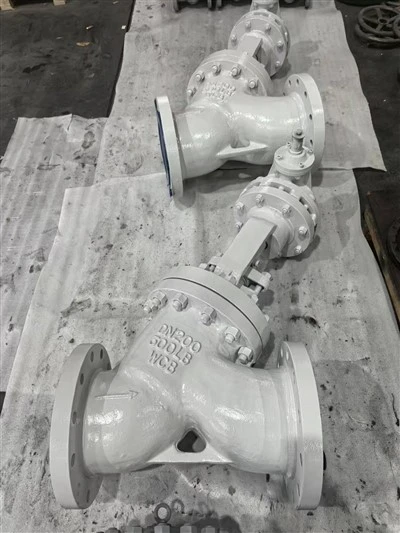

Cryogenic Ball Valve is an industrial valve designed for shut-off and isolation of LNG, liquid gases, and other cryogenic media in extremely low-temperature applications.
Technical Specifications
|
Parameter |
Specification |
|
Valve Type |
Cryogenic Ball Valve |
|
Design Configuration |
Floating Ball Type / Trunnion Mounted Ball Valve |
|
Size Range |
NPS 1/2" – 24" (DN15 – DN600) |
|
Pressure Rating |
ASME Class 150 – Class 1500 |
|
Minimum Design Temperature |
-196°C (material dependent) |
|
Service Media |
LNG, liquid nitrogen, liquid oxygen, liquid argon, and other cryogenic fluids |
|
Body Materials |
Low Temperature Carbon Steel (LTCS), Stainless Steel, Duplex Stainless Steel, Alloy Steel |
|
Typical Seat Materials |
PTFE, PCTFE, metal seat options selected according to temperature, pressure, and media requirements |
|
End Connections |
Flanged, Butt Weld, Socket Weld, Customized Connections |
|
Design Considerations |
Low-temperature material selection, extended bonnet structure, anti-static design, fire-safe options |
|
Leakage Performance |
Seat leakage testing can be performed according to applicable standards and project requirements. |
|
Operation |
Manual Handwheel, Gear Operator, Pneumatic Actuator, or Electric Actuator |
|
Applicable Standards |
Applicable standards may include API, ASME, DIN, BS, JIS, GB, and customer-specific requirements. |
Key Features
Cryogenic Material Selection
Valve body materials are selected for low-temperature service to maintain structural integrity and minimize risks associated with low-temperature embrittlement.
Extended Cryogenic Bonnet Design
Extended bonnet structure separates cold media from sealing components, helping maintain packing performance during operation.
Low-Temperature Sealing Design
Sealing materials and structures are selected according to temperature, pressure, and media conditions to maintain shut-off performance during cryogenic operation.
Full Bore Flow Path
Straight-through flow path reduces pressure loss and is commonly selected for applications requiring high flow capacity.
Anti-Static Design
Built-in anti-static structure provides electrical continuity between ball and body to reduce the risk of static charge accumulation.
Cryogenic Ball Valve vs Other Valve Types
|
Valve Type |
Main Function |
Key Characteristics |
Typical Applications |
|
Cryogenic Ball Valve |
Shut-off and isolation |
Quarter-turn operation, extended bonnet, cryogenic sealing design |
LNG transfer, liquid gas pipelines, cryogenic storage |
|
Standard Ball Valve |
Shut-off |
Conventional design for normal temperature service |
Water, oil, gas, industrial pipelines |
|
Cryogenic Globe Valve |
Flow regulation |
Linear throttling control, extended bonnet design |
Cryogenic process pipelines and control systems |
|
Cryogenic Gate Valve |
Isolation |
Full opening flow path, low pressure drop |
Large cryogenic pipelines, storage and transfer systems |
Typical Applications
LNG Storage & Transfer Systems
Used in LNG storage tanks, loading and unloading systems, transfer pipelines, and fueling facilities requiring cryogenic shut-off performance.
Industrial Gas Processing Systems
Applied in air separation units, gas filling stations, and pipelines for liquid nitrogen, liquid oxygen, liquid argon, and other cryogenic gases.
Cryogenic Storage Tanks & Vessel Systems
Installed on cryogenic tanks, pressure vessels, filling equipment, and transfer lines requiring low-temperature service compatibility.
Petrochemical & Low-Temperature Process Systems
Used in process pipelines and equipment involving low-temperature hydrocarbons, liquefied gases, and chemical processing applications.
Marine LNG & Fueling Systems
Applied in LNG bunkering facilities, marine LNG systems, and cryogenic transfer equipment.
Cryogenic Testing & Laboratory Systems
Used in laboratory systems, testing facilities, and specialized low-temperature equipment.
Customization Options
Valve Size & Pressure Class
Customized valve dimensions and pressure ratings based on pipeline design and operating conditions.
Body & Trim Materials
Material selection adjusted according to service temperature, fluid characteristics, and application needs.
Connection Type
Available with flange, welded, or specified connection configurations.
Bonnet Extension Length
Extended bonnet dimensions customized according to installation space and system configuration.
Operation Configuration
Available with manual, pneumatic, or electric operating arrangements.
Special Structure Requirements
Customized designs available for specific flow path and project requirements.
Engineering Support
PORO provides technical support for valve selection, material confirmation, actuator configuration, and project-specific requirements.
Manufacturing Capability
Established in 1997, PORO has over 25 years of experience in industrial valve manufacturing for pipeline, energy, petrochemical, and industrial process applications.
PORO supports cryogenic ball valve production with capabilities covering material selection, valve configuration, precision machining, assembly, and project-based customization according to operating conditions and customer requirements.
Material & Standard Capability
PORO manufactures valves using LTCS, carbon steel, stainless steel, duplex stainless steel, and alloy steel materials. Valve designs can be supplied according to applicable ANSI, API, ASME, DIN, BS, JIS, and GB requirements.
Testing & Quality Assurance
PORO performs inspection procedures to verify material performance, sealing performance, and pressure integrity before delivery.
PORO performs inspection procedures according to product requirements and customer project specifications.
Material Inspection
- Material certificate verification
- Chemical composition confirmation
- Mechanical property verification when required
- Material traceability throughout manufacturing
Dimensional Inspection
Inspection covers:
- Valve body dimensions
- Connection dimensions
- Machining accuracy
- Assembly dimensions
Pressure & Leakage Testing
Testing requirements can include:
- Hydrostatic pressure testing
- Pneumatic leakage testing
- Seat leakage testing
- Functional operation testing
Documentation Support
Quality documents may include:
- Material certificates
- Inspection reports
- Testing records
- Product drawings
- Traceability documents
FAQ
Q: What is the difference between a cryogenic ball valve and a standard ball valve?
A: Cryogenic ball valves are designed for extremely low-temperature service with suitable materials and sealing structures. They consider factors such as thermal contraction, material toughness, and stem sealing protection that are not typically required for standard ball valves.
Q: Why does a cryogenic ball valve require an extended bonnet design?
A: An extended bonnet keeps the stem sealing area away from the cold fluid zone, helping reduce the impact of cryogenic temperatures on packing components and maintain sealing performance.
Q: Can cryogenic ball valves be used for liquid oxygen service?
A: Yes. Liquid oxygen applications require suitable material selection, sealing components, cleaning procedures, and manufacturing controls to ensure compatibility with oxygen service conditions.
Q: What causes leakage in cryogenic ball valves?
A: Leakage may result from unsuitable materials, sealing selection, thermal contraction, improper installation, or operation outside the valve design range. Proper selection and application review help reduce leakage risks.
Q: How are cryogenic ball valves selected for LNG applications?
A: Selection depends on valve size, pressure rating, operating temperature, media characteristics, pipeline requirements, and operation conditions.
Q: What is the difference between cryogenic ball valves and cryogenic globe valves?
A: Cryogenic ball valves are mainly used for isolation and on/off service, while cryogenic globe valves are generally selected for flow regulation applications.
Q: What information is needed for a cryogenic ball valve quotation?
A: A quotation request should include valve size, pressure class, medium, temperature, connection type, operation method, material requirements, and project specifications.
Q: What documents are supplied with cryogenic ball valves?
A: Typical documents may include material certificates, inspection reports, pressure test records, product drawings, and traceability documents according to project requirements.
Q: Can cryogenic ball valves be manufactured according to customer specifications?
A: Yes. Cryogenic ball valves can be configured according to customer requirements, including valve size, pressure class, materials, connection type, actuator arrangement, and applicable project specifications.
Q: Can cryogenic ball valves be supplied with actuators?
A: Cryogenic ball valves can be supplied with manual, pneumatic, or electric actuator configurations according to operating requirements and control system specifications.
Hot Tags: cryogenic ball valve, China cryogenic ball valve manufacturers, suppliers, factory, Cryogenic Ball Valve, Cryogenic Check Valve, Cryogenic Gate Valve, Cryogenic Globe Valve, cryogenic valve